
How Raw Milk Changes with the Seasons

I'll admit, sometimes it is nice to know what to expect when you buy something from the store. If a recipe calls for 3 large eggs and you pull 3 eggs from a carton...they're all the same size. I don't have to mentally figure out how many tiny pullet eggs I need to equal 3 large eggs. Same story for milk. If you want milk with just a little bit of creaminess... grab the jug of 2% milk out of the grocery cooler. Commercial milk is processed and standardized until every jug looks and tastes identical. A lot of consumers want that predictability.
But there's also something almost magical about real milk from real cows that isn't the same 365 days a year. Cows respond to sunlight, forage, weather, and the natural rhythm of a farm. And that is reflected in the milk they produce. One of the most fascinating parts of drinking raw milk is that it isn’t the same 365 days a year. These seasonal shifts aren’t a flaw — they are a sign of life, nature, and a true connection to your food.
If you’ve ever noticed your raw milk looking a little more golden in the summer, or the cream line rising and falling throughout the year, you’re already experiencing what makes local milk so special.
Below is a closer look at how raw milk naturally changes across the seasons, and what those changes are telling you.
Color: From Winter White to Summer Gold
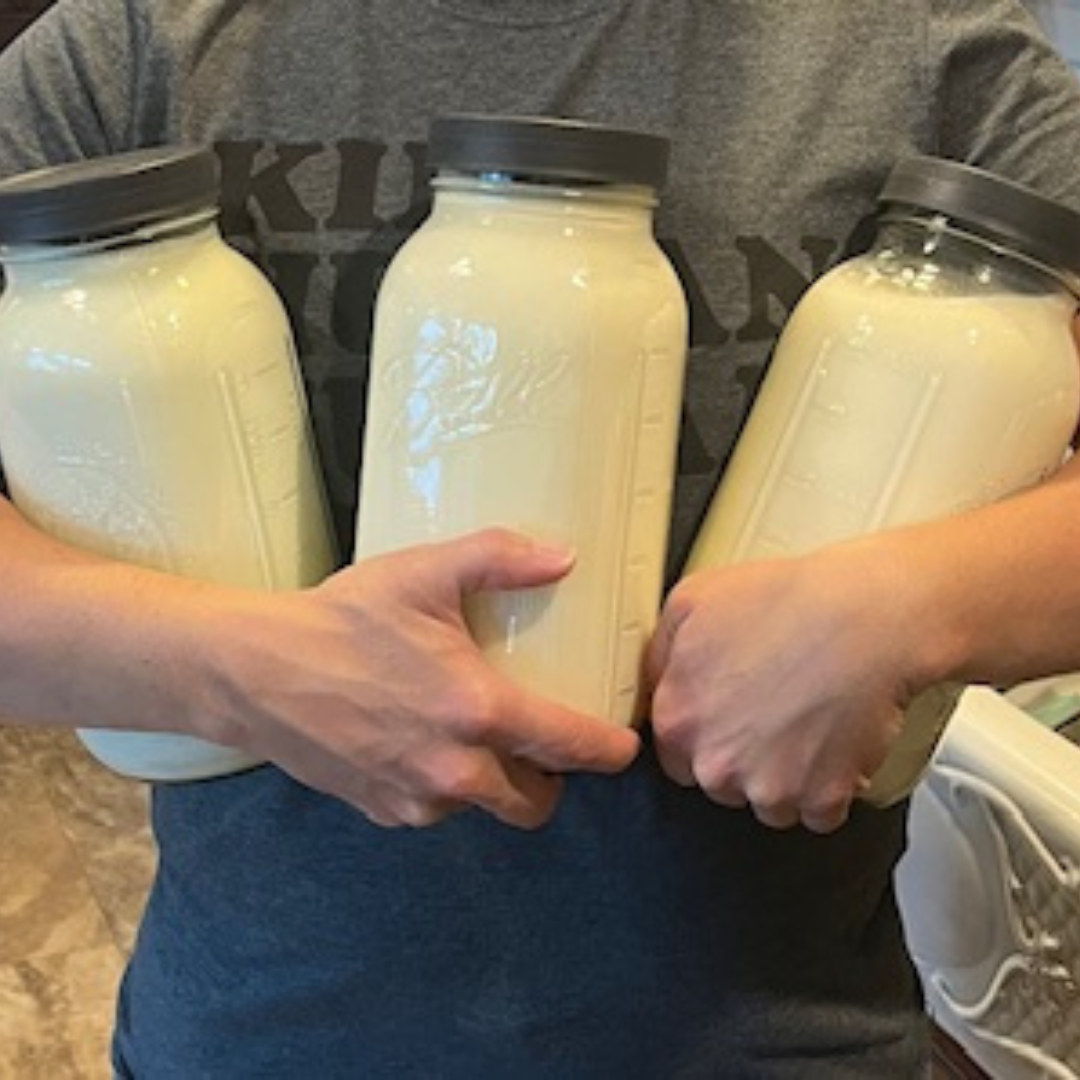
Raw milk often appears paler in the winter and deeper yellow in the summer. This is one of the most noticeable seasonal differences.
Why it happens: Cows on pasture consume fresh grasses rich in beta-carotene, the same pigment that gives carrots their bright orange color. Beta-carotene passes directly into the milk fat, tinting it a beautiful creamy yellow. During winter, cows tend to eat more hay or stored forage, which contains less beta-carotene, so the milk becomes lighter in color.
What it means: Creamy yellow milk usually signals fresh forage, more sunlight, and is a natural indicator of nutrient-rich milk.
Flavor: A Reflection of the Pasture
Raw milk flavor changes subtly as the plants in the cows' pasture change. Early spring grasses taste different from late-summer clover or fall cool-season regrowth. And sometimes the cows may accidentally find a little patch of wild onions or peppergrass.
- Spring milk often tastes bright, fresh, and sweet thanks to lush new growth.
- Summer milk can be fuller and richer as forage becomes more mature.
- Fall milk usually taste balanced and creamy as cows graze cool-season grasses.
- Winter milk typically has a mild, clean flavor because hay diets are more consistent.
These natural shifts are similar to how honey varies with season or how wine reflects the characteristics of its vineyard. This is local food at its best!
Cream Content: Why the Cream Line Moves
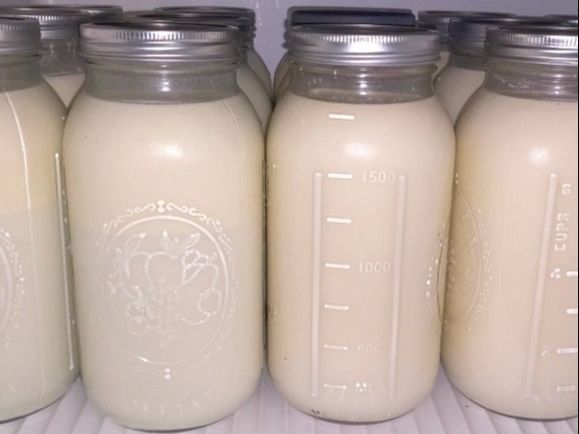
The cream line in a jar of spring milk may be right in the middle but then three months later in the heat of summer it's all the way up at the top. Milk fat naturally changes throughout the year based on temperature, forage quality, cow energy needs, and breed tendencies. Spring and summer are the extremes, then fall and winter are more moderate. Although, I always notice a bump in cream content when the weather shifts from mild to cold in the winter. This is because the cow would want her calf to have those extra calories to keep warm when the temperature dips.
If you don't know what a "cream line" is or why everyone gushes over it, check out this blog post when you're finished here.
Even when total fat doesn’t drop dramatically, cream texture can shift from soft and whipped in the spring to firmer and more butter-like in the cold months due to changes in fatty acid composition.
Protein, Solids, and “Components”: What the Lab Tests Show
Seasonal shifts affect not only fat but also protein and total solids. Most farms notice higher components (fat, protein, solids) during fall and winter, when cows eat more energy-dense hay and grain, and as the cows are further into their lactation. We notice lower components during early spring flush when the cows get turned out on fresh green grass, during periods of high heat stress, and early in their lactation right after the calf is born.
These fluctuations are completely normal and expected. They’re also one of the reasons cheese yield changes throughout the year. Milk with higher solids gives a higher cheese yield, while milk from early spring may produce softer, fresher-tasting dairy products. Fall and winter are a great time to spend in the kitchen making hard cheeses like cheddar while summer is when you can stock your freezer with butter and shredded mozzarella!
Nutrition: Raw Milk Doesn’t Just Vary — It Responds
Because raw milk is a living food, it reflects the environment the cow is in. Seasonal factors influence omega-3 content (higher in pasture seasons), CLA or conjugated linoleic acid (peaks when cows consume fresh grasses), vitamin levels (A, D, and K2 fluctuate with sunlight and forage), and minerals (slightly shift depending on soil and forage plant composition).
These natural variations don’t make raw milk better or worse from season to season; they just prove and hi-light how dynamic real food truly is.
Why These Seasonal Shifts Are a Good Thing
Real food is not a shelf lined with identical products sitting next to one another. Garden tomatoes are not the same in May as they are in August. Pasture-raised eggs have darker yolks in the spring. Spring honey is light and runny while fall honey is dark and flavorful and thick. Raw milk belongs in this same category of nutrient-rich, seasonal foods that reflect the environment they are grown in and the people who tend to them.
Choosing local, real food means choosing:
- Transparency over uniformity
- Nutrition over standardization
- Connection over convenience
- Food that lives and changes with the farm
Instead of expecting sameness, we can embrace the beauty of these shifts and help our families understand that seasonality is a sign of quality, freshness — not inconsistency.